1. a group is not just a number of people, it is a number of people with a shared ideal,
ethic and
rationale. It is an
entity.
Individual members of a group may come and go, and hundreds of years may
pass, but the group may still be the "same" group. As it has grown older, its
component parts have been replaced, like the cells in a
body. The
memory of a group is not equal to the memories of the individuals in the group. It may be greater or less than these, depending on whether or not there has been good
communication and filing in the group. Any group which depends
wholly upon the memories of individuals and has no common recorded
memory has no real
memory of its own and is
insane as a group, though the individuals in it may be quite rational.
(HYYTAE, p. 120) 2. a group is only a
collection of
different people, without
policy to agree upon. For policies are the
points of
agreement which make the group into a
true group and an irresistible
force.
(HCO PL 13 Mar 65 II) 3. a group is composed of
individual group members.
(HCO PL 30 Dec 70) 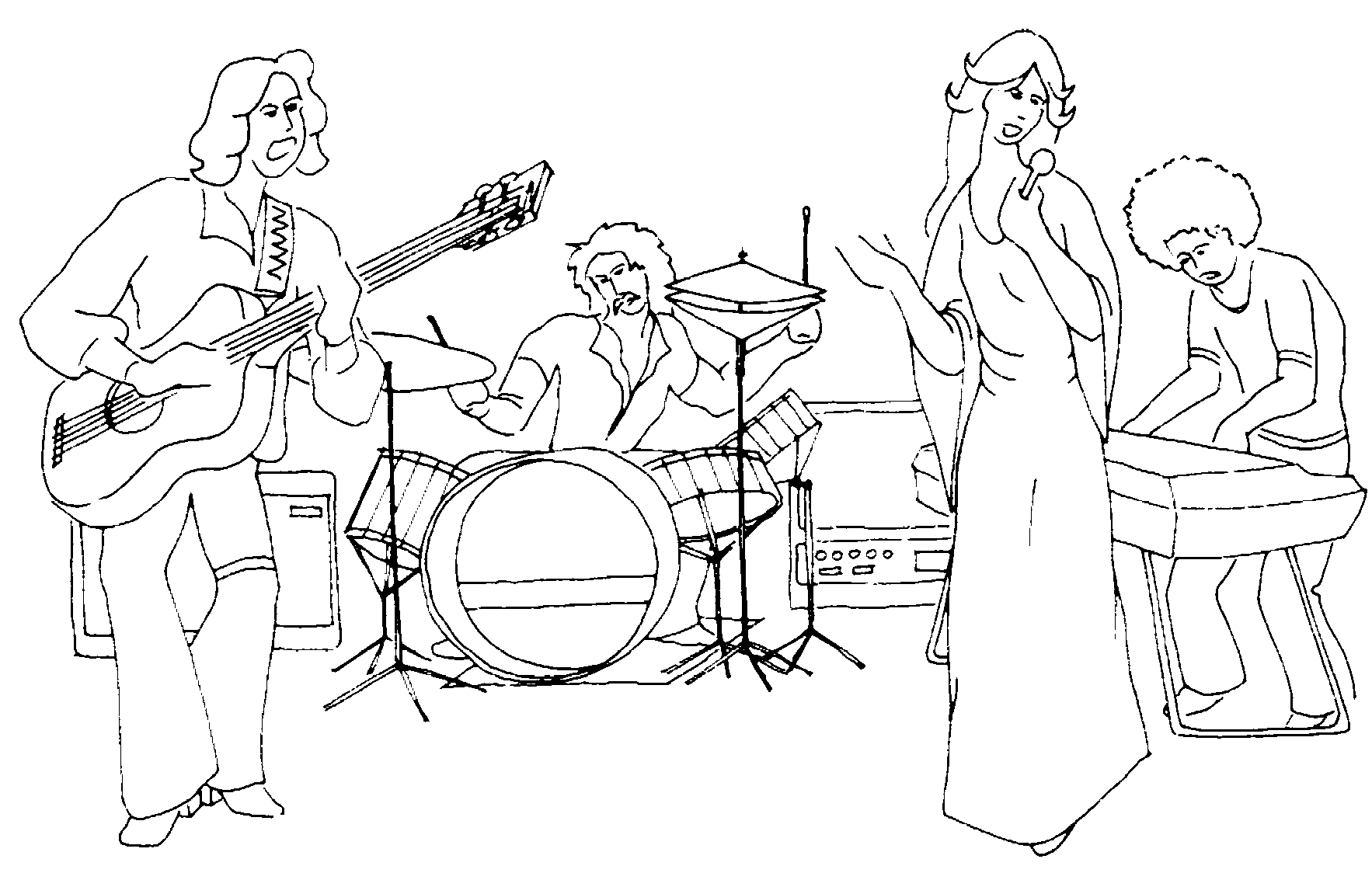 Group (Def. 3) 4.
 another
type of
organization is the group. Official groups of the
HASI and official congregations of the various churches exist in very large
numbers in the United
States and Great Britain and elsewhere through the
world. To
charter a group one only
needs to write the
HASI.
(PAB 90)